
Quality should be something a farmer can prove
And be paid for. Everything we are building points at that one sentence.
One neutral place between the field and the buyer
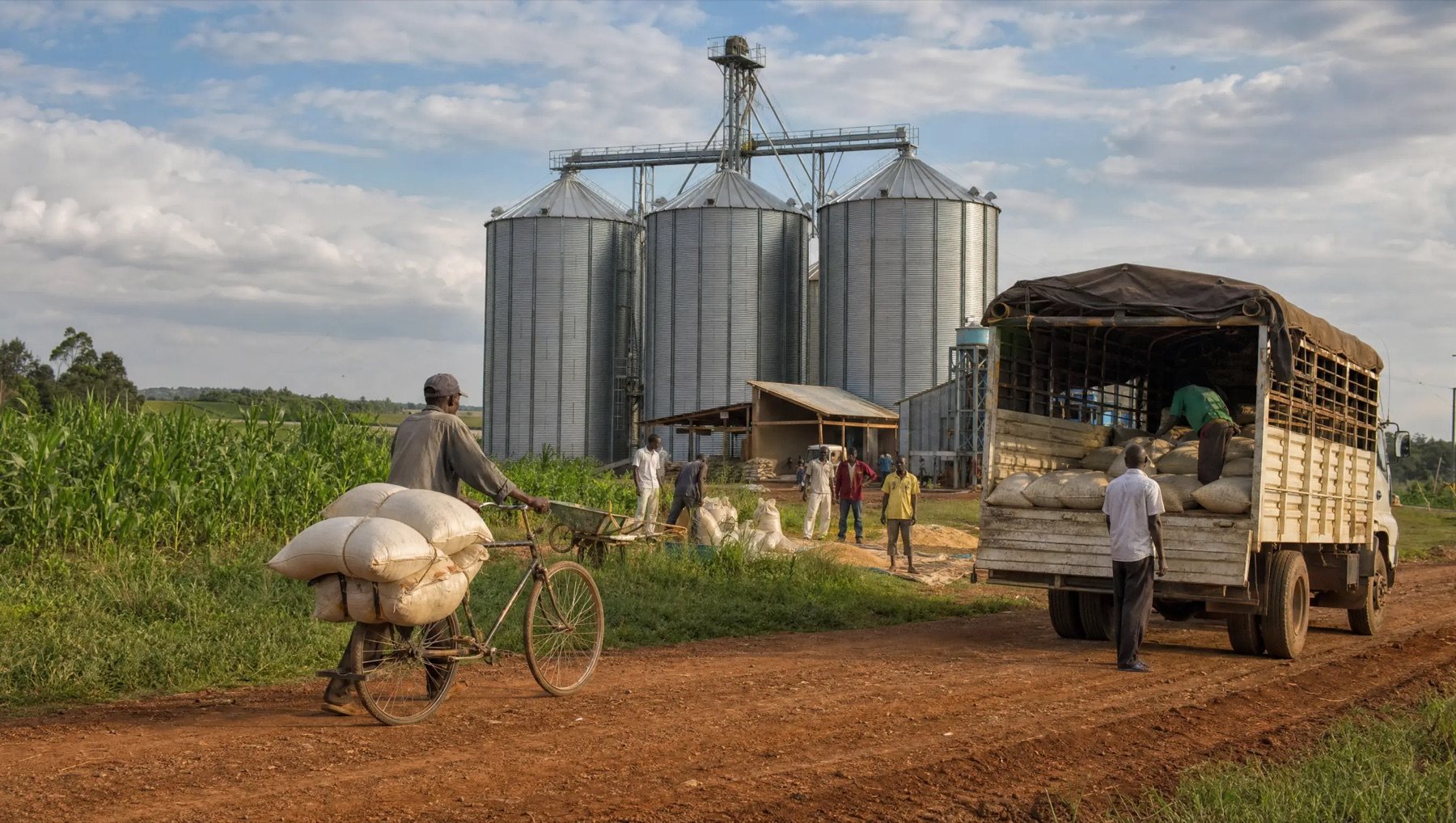
Across Uganda, good grain and ordinary grain end up in the same heap at the same price, because there is nowhere to tell them apart.
The farmer who dried her crop properly earns no more than the one who did not. The buyer, unable to tell the difference, prices for the average. The people who lose most are the ones who did the work.
It does not take a different way of farming to fix that. It takes one honest building between the field and the buyer, where grain is cleaned, dried, tested and kept apart, graded by people whose income depends on getting it right rather than on which way the price moves.
Make quality visible, and make it pay
Our mission is to give Ugandan grain a verified identity, so the people who produce it well are paid for producing it well. It fits in one line on purpose.
We clean so the grain is worth more. We dry so it keeps. We test so a buyer can trust it. We keep lots apart so nobody's careful work is diluted by somebody else's. And we bring agronomists and technology to the farms that supply us, so the next harvest arrives better than the last.
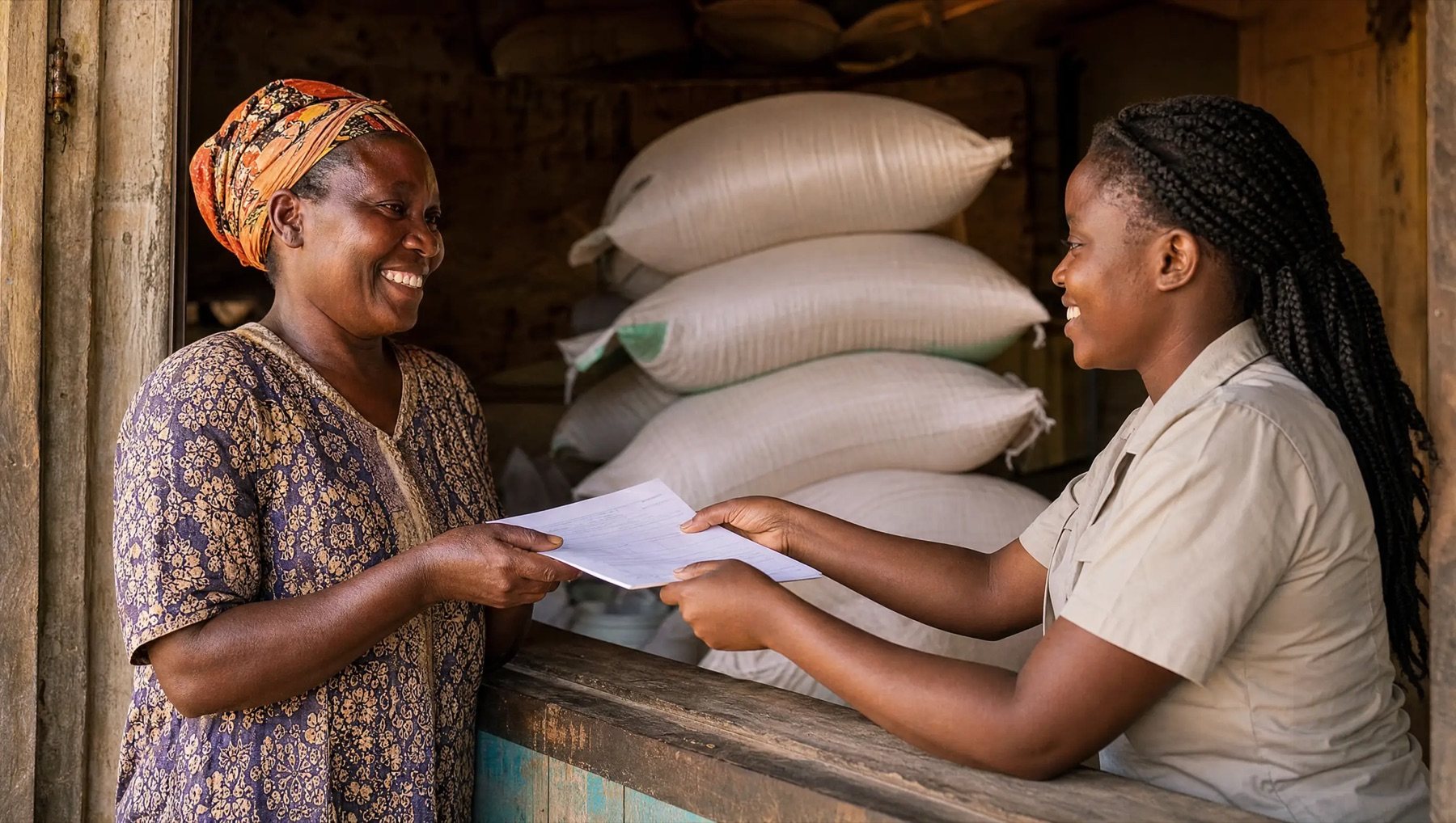
Our measure of success. A farmer who brings us a good harvest can prove it, and is paid more for it than she was the year before.
What we believe
Four things, and we would rather be judged by them than describe them.
The harvest is already good. Our job is to prove it.
Ugandan farmers grow excellent grain. What has been missing is the drying, the testing and the paperwork that let a buyer see that. We build the proof.
Farmers who know more, earn more
Our test farms, agronomists and training days exist so best practice spreads from the facility outward, and efficiency in the field is rewarded at the gate.
The best tools in the world belong in Ugandan hands
Leading agri-tech, German processing engineering and American testing science, run by a Ugandan team, for Ugandan harvests. We do not settle for second-best equipment.
Build it properly, and build it here
Infrastructure people rely on has to work through every harvest. So we specify it with manufacturers who have built this plant many times, and we run it with people who live where the grain grows.
We are not trying to capture a market. We are trying to fill one building, well, twice a year, and then build the next one.
A.B.I.
Ugandan hands, British structure, German and American engineering
A.B.I. was founded by a Ugandan family. The facility is run from Uganda, the company is based in the United Kingdom, and the machinery comes from the people who build it best.
-
Uganda
Operations, agronomy, legal
The team that will run the facility lives and works in Uganda. It brings grain-handling experience from one of the country's established processors, and a former district agronomist from the Ministry of Agriculture who leads the farmer programmes.
This is a project run by people who are there.
-
United Kingdom
Governance, finance, strategy
The founder splits his time between the UK and Uganda. The UK base gives partners and funders a familiar structure to work with, and a second market to sell into.
-
Germany & United States
Cleaning, drying, storage, testing
Processing and drying specification and silo engineering from Germany, mycotoxin testing from the United States. Equipment that runs through two harvests a year without failing is not the place to economise, so we work with manufacturers who have built it many times.