 01
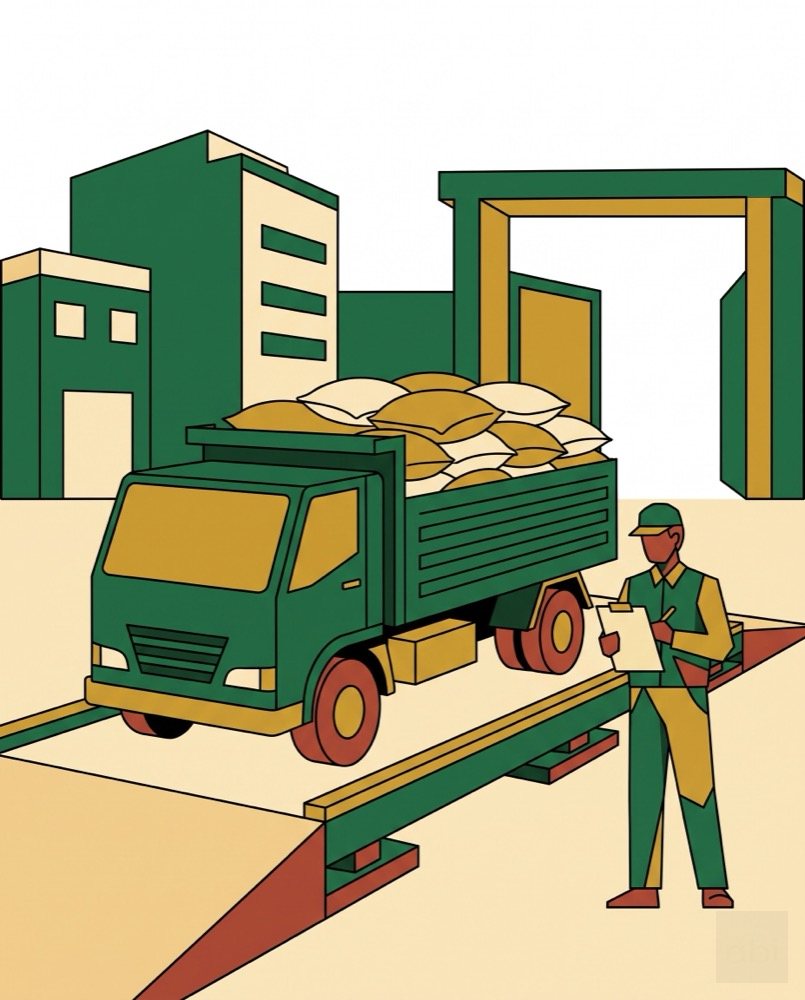
01Intake and weighing
The lot is weighed and its identity, origin and weight are recorded before anything else happens. From this moment it has a name, and it keeps it.
Why it matters. Traceability begins at the gate, not in the warehouse.

Every one of them is there because a buyer somewhere asks for it.
Scroll across. The same sequence every time, recorded at every stage.
01The lot is weighed and its identity, origin and weight are recorded before anything else happens. From this moment it has a name, and it keeps it.
 02
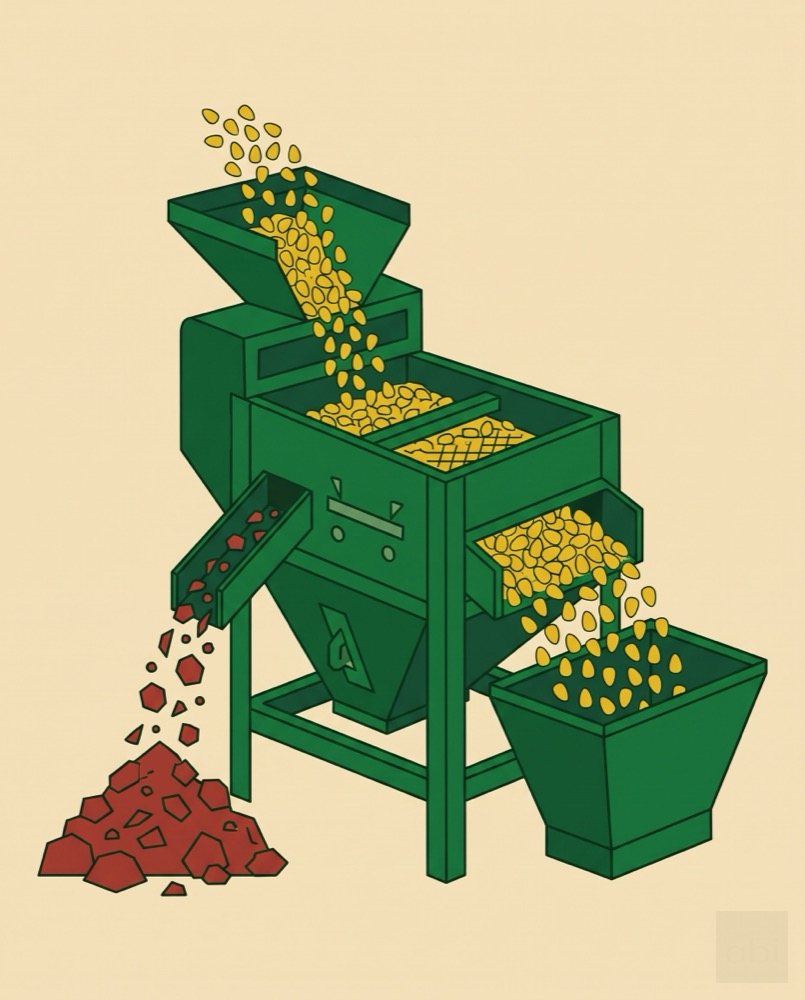
02Stones, chaff, broken grain and foreign matter come out. What is left is graded, so quality is a measured fact rather than an opinion.
 03
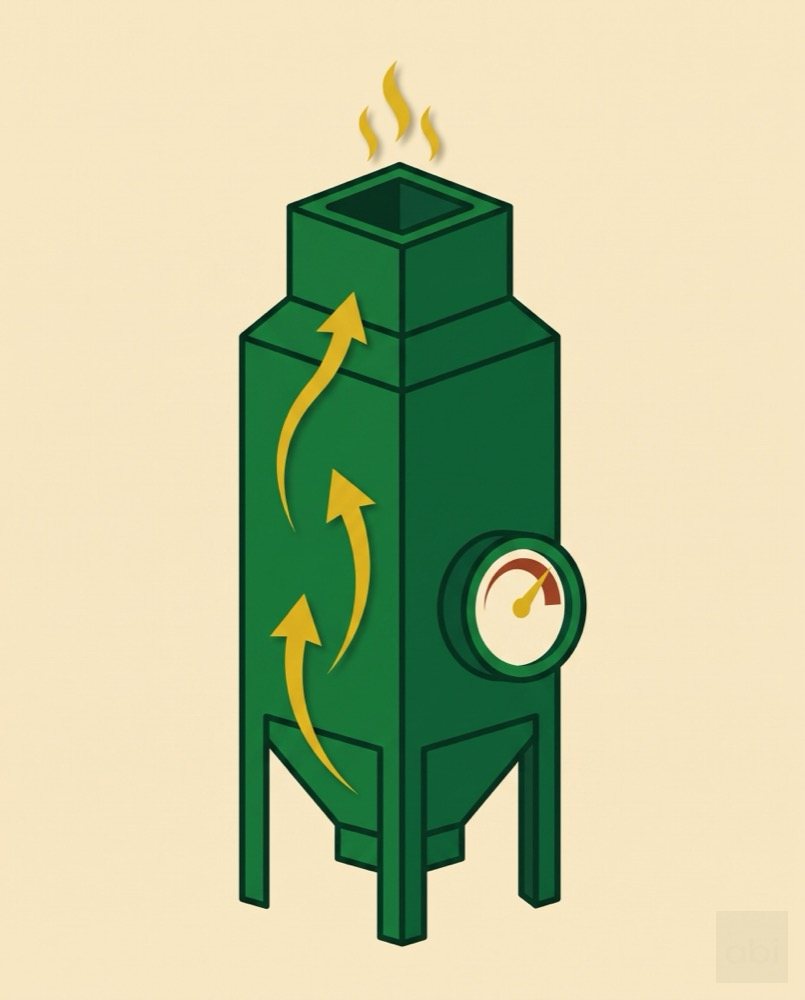
03Moisture comes down to between 12 and 14 percent, under control and to a specification, not on a tarpaulin at the mercy of the weather.
 04
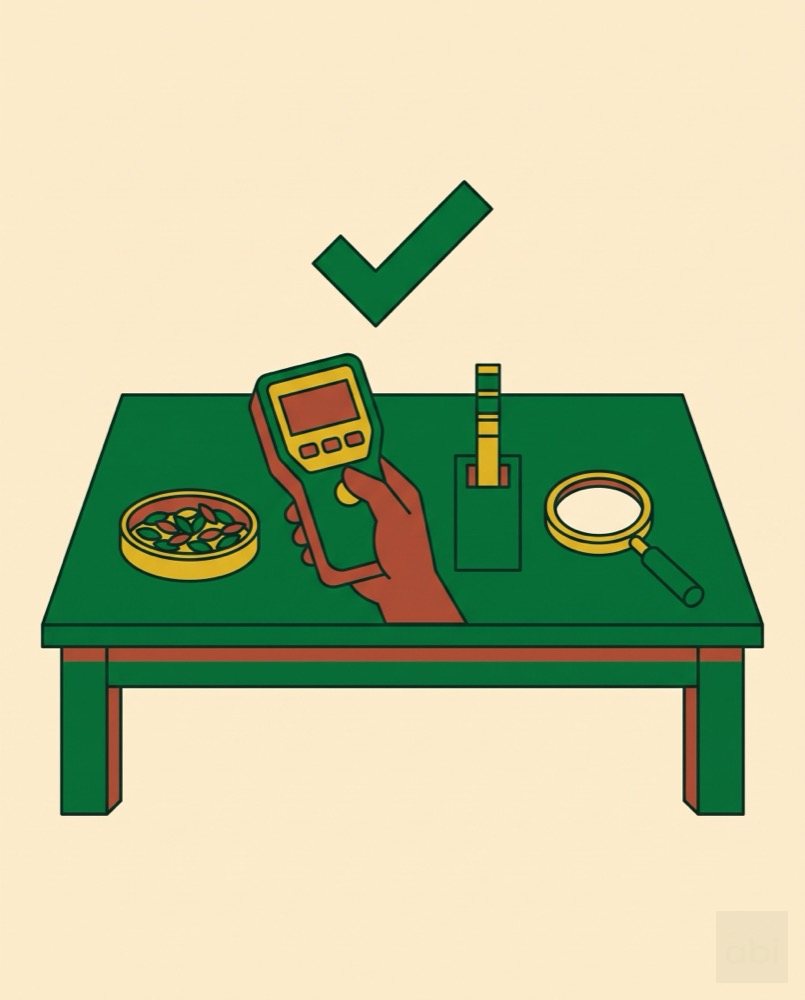
04Every intake lot is tested for aflatoxin and moisture. Not a sample of lots. Every one, with the result recorded against it.
 05
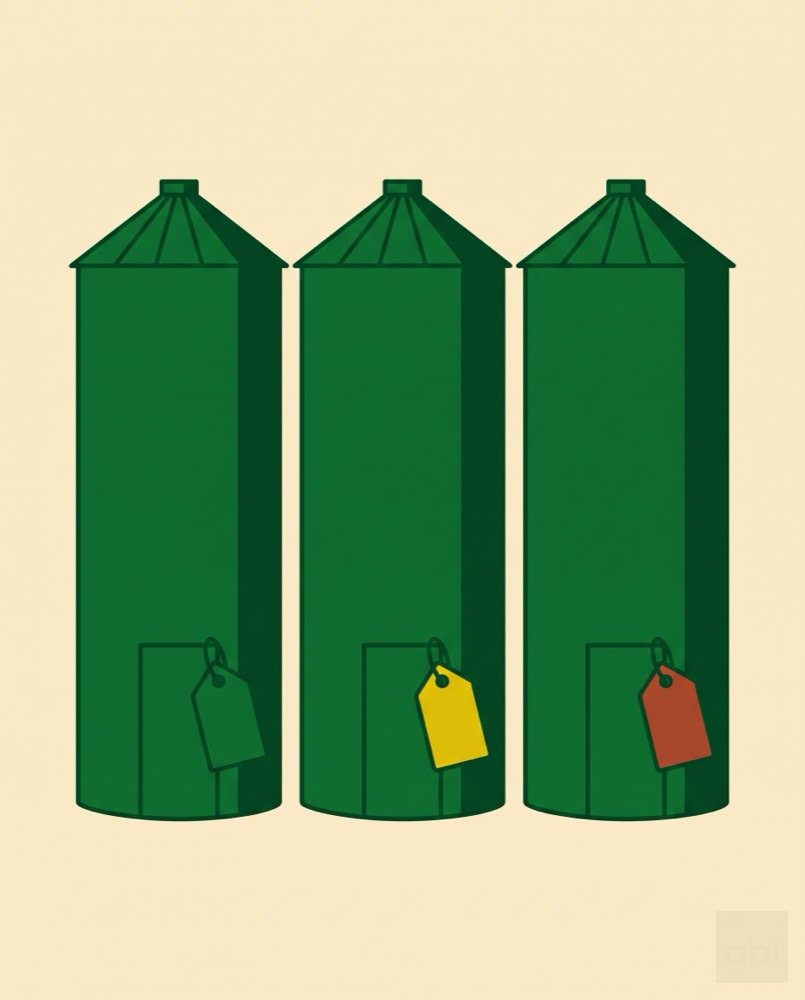
05Lots are held apart by grain type and quality tier. A careful farmer's harvest keeps its own identity all the way through.
 06
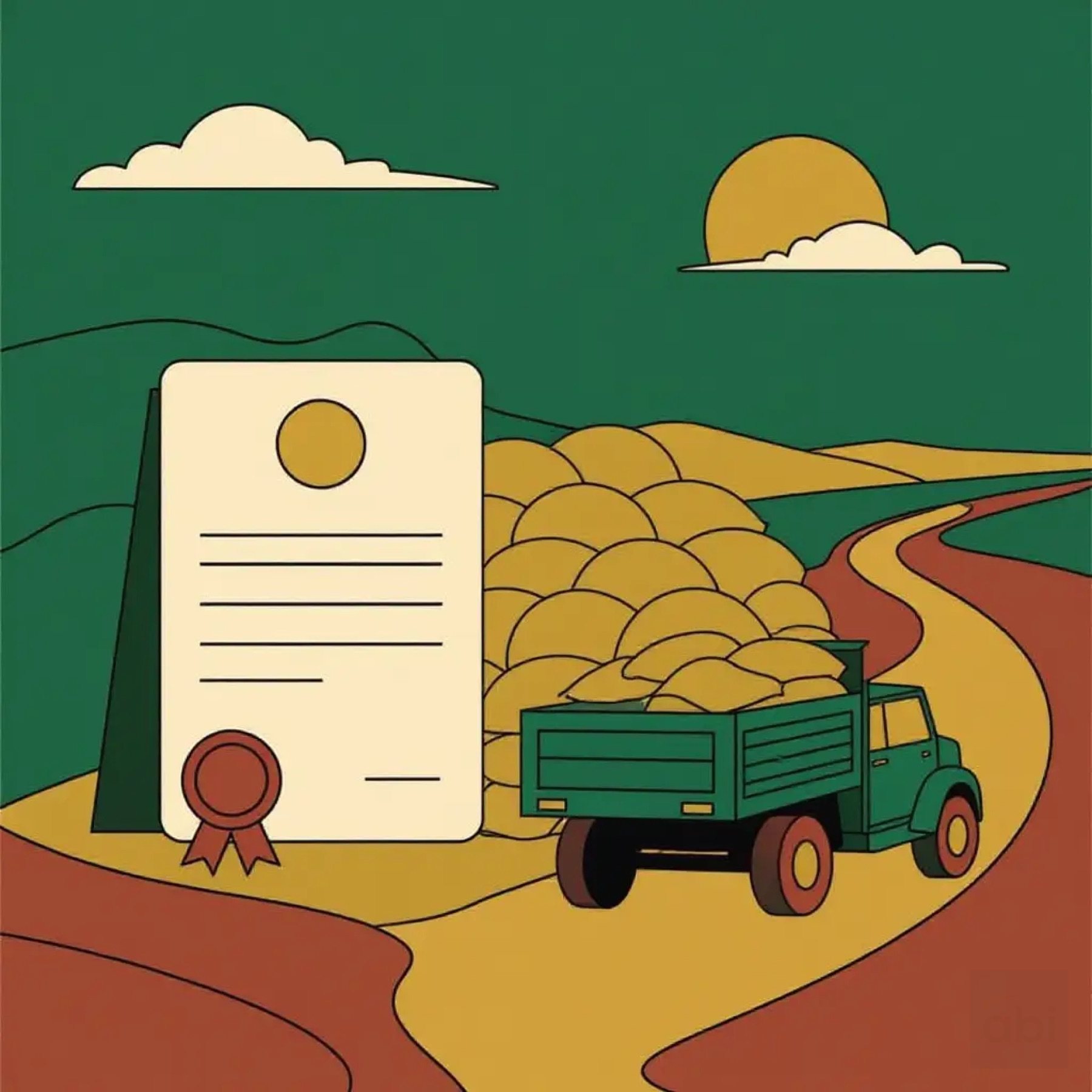
06The lot leaves with its certificate and a full audit trail: where it came from, what was done, what it tested at. The paperwork is the product as much as the grain is.
These are the specifications the process is built to meet.
One facility, run properly, filled by the farms around it, working across both of Uganda's harvests. Equipment from manufacturers in Germany and the United States who have built this plant many times before.
If you grow grain, buy it, or need it handled to a specification you can rely on, we would like to hear from you.