
Grain the market
can rely on.
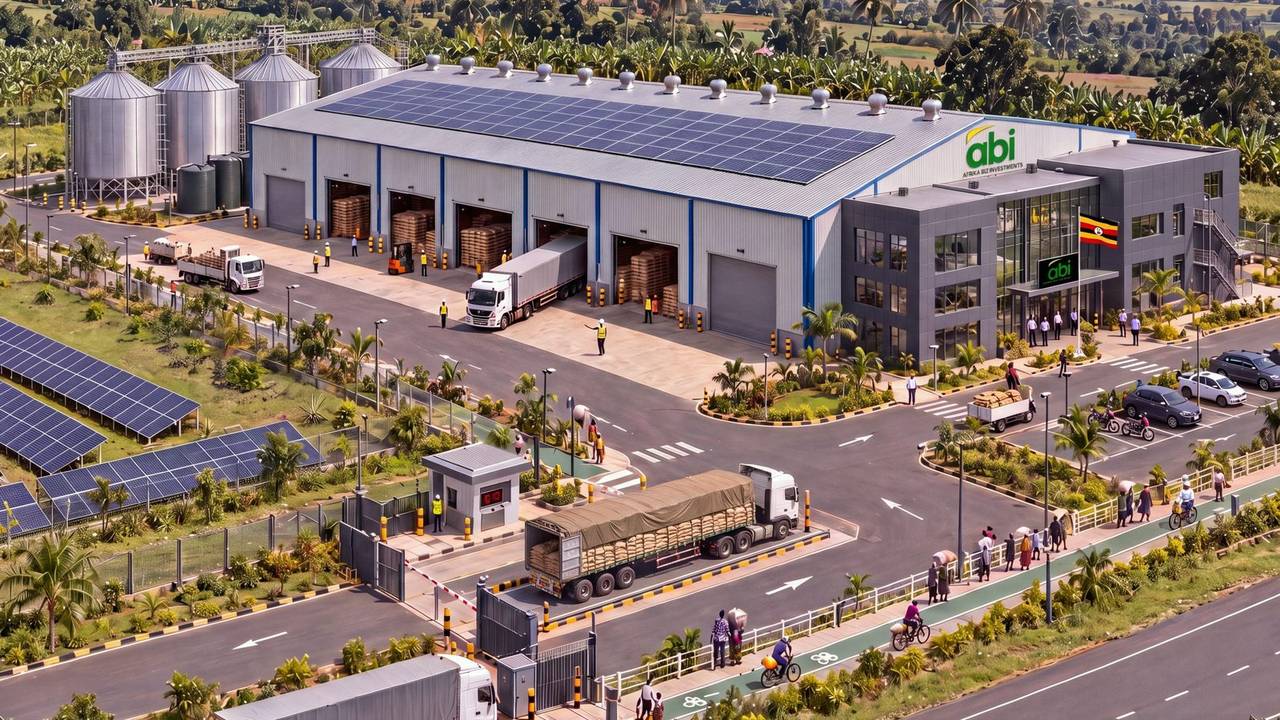
A.B.I. is building a grain quality hub in Uganda. Every harvest that comes through the gate is cleaned, dried, tested and stored under its own name, and leaves worth more, with the paperwork to prove it.
- 18,000 tDesigned annual throughput
- 12–14%Moisture on release
- 100%Of lots tested for aflatoxin
- 2Harvests a year, both served
The opportunity is already measured, in public
Uganda grows enough maize, sorghum and barley to supply its brewers, millers and aid agencies, and to export the surplus. The value is being lost in the weeks after harvest, and the numbers are on the record.
- $38m+Trade lost to aflatoxin, as estimated by the Eastern Africa Grain CouncilEAGC
- 60%+Of Ugandan maize in previous years carried toxins above safe levelsEAGC
- 1,700 tOf maize, worth about $2m, destroyed after failing aflatoxin tests on exportDaily Monitor, EAC
- 5 ppbThe East African limit for aflatoxin B1. Grain that can prove it is under the line crosses the borderEAC standard
We are Ugandan. This is our home, and our neighbours' harvest.
A farmer dries her maize on a tarpaulin on the ground, because that is what there is. It rains. The grain goes into a sack damp, into a store with everyone else's, and by the time a buyer sees it nobody can say whose was good.
So the buyer pays for the worst, and the farmer who did everything right is paid the same as the one who did not. That is not a story about bad farming. Ugandan farmers grow the crop well. It is a story about a missing building, and the skills and tools that come with it.
Uganda grows more than enough grain. What has been missing is the building in the middle, and the agronomists and the technology to run it. That is what A.B.I. is putting up.
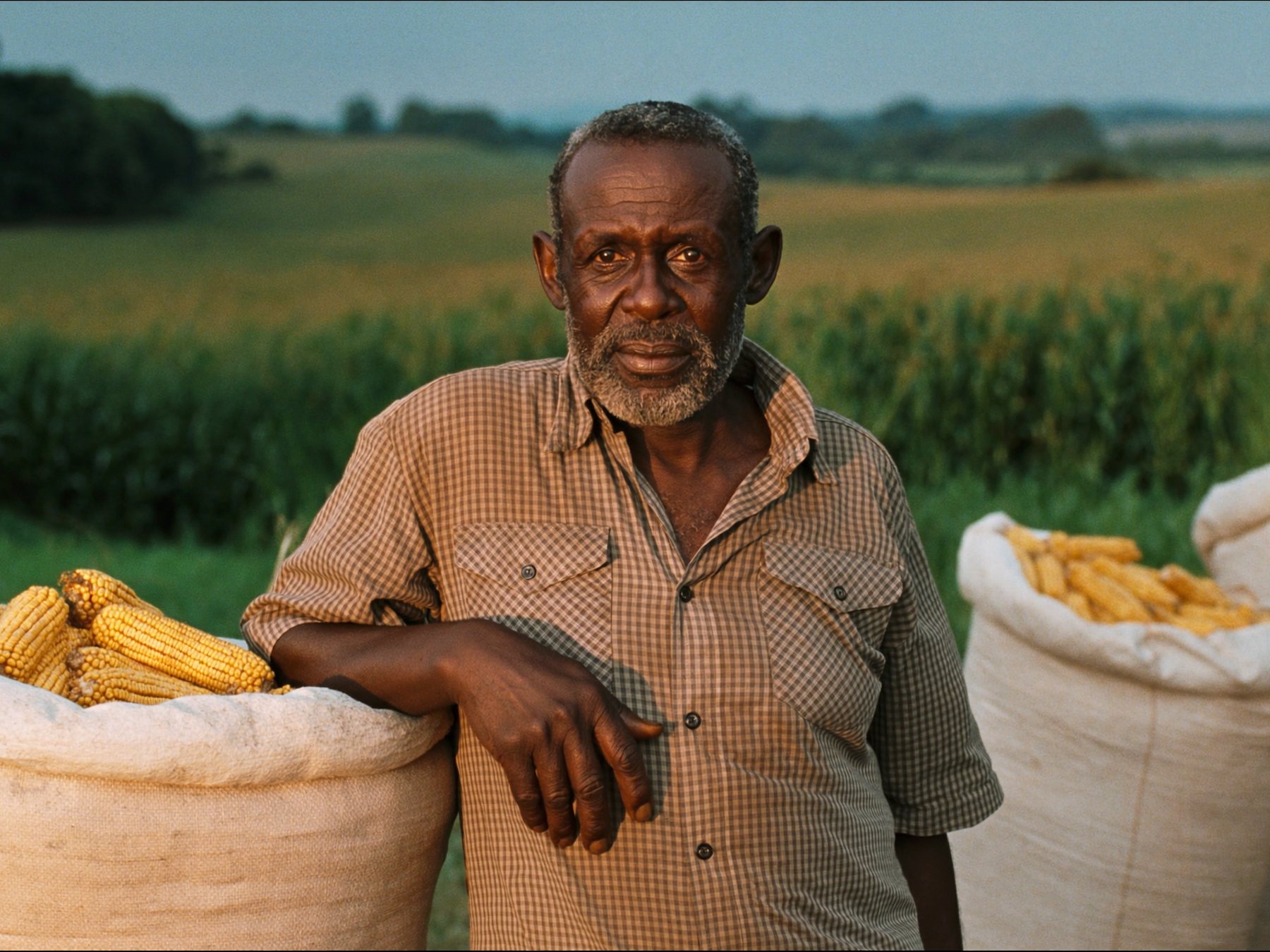
A good harvest should be paid like a good harvest. That is the whole idea.
A.B.I.
Independent grading is the product
Our core income is a fee for every tonne we clean, dry, test and store. That keeps our grading independent, and it puts us on the same side as the farmer and the buyer at once.
Quality anyone can check
Every lot is tested, graded and documented, so a buyer in Kampala, Nairobi or Juba can see exactly what they are getting before it moves.
The crop stays the farmer's
Cooperatives keep ownership through cleaning, drying, testing and storage. They take back the same lot, improved and certified, and sell it on their terms.
Farmers who know more, earn more
Test farms, agronomists and leading agri-tech sit alongside the plant, so the improvement starts in the field, not just at the gate.
The buyers are here. The infrastructure is next.
Regional and international breweries, millers and aid agencies want to buy Ugandan grain locally, and several are required to. What they need is grain they can verify. That is what the facility produces.
- 95%+Of raw materials sourced locally by a leading regional brewer, from around 25,000 contracted farmersCompany reporting, 2026
- $71.7mSpent on local procurement in Uganda by the UN World Food Programme, over 80% of its annual buyingWFP Uganda
- 1,500–1,600 tOf grain a day through one border crossing on our corridor at peak. The volume is moving; verified quality is the gapEAGC
Two harvests a year. Uganda produces twice, so the facility earns across both seasons, and every season it is not there is a season of value lost.
Be part of it
Investors, farmers, buyers, engineers, teachers, and people who want to work on something that matters. Tell us which you are.